
Nursing requires not only clinical knowledge, but also empathy, integrity, fairness, and good judgment. In healthcare, building meaningful relationships with patients is essential to providing compassionate, patient-centered care.
As pulmonary and critical care physician Dr. Rana Awdish explained in an interview, “If we’re not thoughtful about building relationships, attending to suffering and really acknowledging the grief in our patients, it’s an incomplete form of healing.”
This perspective is equally relevant to nurses, who often spend considerable time supporting patients through difficult diagnoses, treatment decisions, and emotional distress.
However, nurses sometimes face situations where making the right decision is not easy. This may happen when patients refuse treatment or family members disagree with the doctor’s recommendations. These moments test a nurse’s ethical skills every day. Education prepares nurses to stay calm and fair in such cases.
A study indexed in PubMed compared two teaching methods with 161 nursing students. Simulation with problem-based learning improved moral sensitivity, empathy, and critical thinking more than problem-based learning alone.
In this article, we will explore how nursing education prepares nurses for complex ethical challenges. But before that, let us explore the ethical principles of nursing.
The Ethical Principles Behind Nursing Practice
Table of Contents
Within nursing, there are four key ethical considerations:
Autonomy
Autonomy means respecting a patient’s right to make informed decisions about their healthcare. Patients must be given clear information so that they can make an informed decision on whether to accept or decline treatment.
Beneficence
Beneficence means acting in ways that promote patient well-being. Nurses should make decisions that help improve patient health, comfort, and quality of life.
Nonmaleficence
Non-maleficence means avoiding unnecessary harm. Nurses must make careful decisions to avoid causing harm to patients in treatments, procedures, and everyday practices.
Justice
Justice means treating patients fairly and providing equitable care. Nurses must avoid bias based on individuals’ backgrounds, financial circumstances, personal views, or social positions.
How Nursing Education Prepares Nurses for Complex Ethical Challenges
Understanding ethical principles is only the beginning. Nurses must also learn how to apply these principles during unpredictable clinical situations. Nursing education helps nurses develop the skills and confidence to handle these challenges. Here’s how:
Understanding Patient Autonomy and Respecting Personal Beliefs
Respecting individual choice in care is important in ethical nursing. Nurses must be able to give clear explanations and respect patients’ decisions. Nursing education equips students with these skills.
A 2025 study found that only 80.2% of patients consented to receiving injections. Further, 75.8% consented to having vital signs recorded and 75.1% consented to blood tests. About 71.4% wanted more time to decide, while 58.4% felt unable to ask questions.
Nursing programs help students develop these skills through role-playing and practical exercises. Students learn to explain risks in simple words and check if patients understand.
They also learn to respect personal beliefs. Sometimes patients may not wish to have certain treatments due to their religious beliefs. In this situation, nurses must still respect the decision, but offer support.
This training helps prevent conflicts and builds trust. Students also learn about advance care planning and how to help patients record their treatment wishes early. This ensures their choices are respected later.
Making Ethical Decisions Through Clinical Simulations
Knowing ethical principles does not automatically make difficult decisions easier. Nurses need opportunities to practice applying their knowledge under realistic conditions.
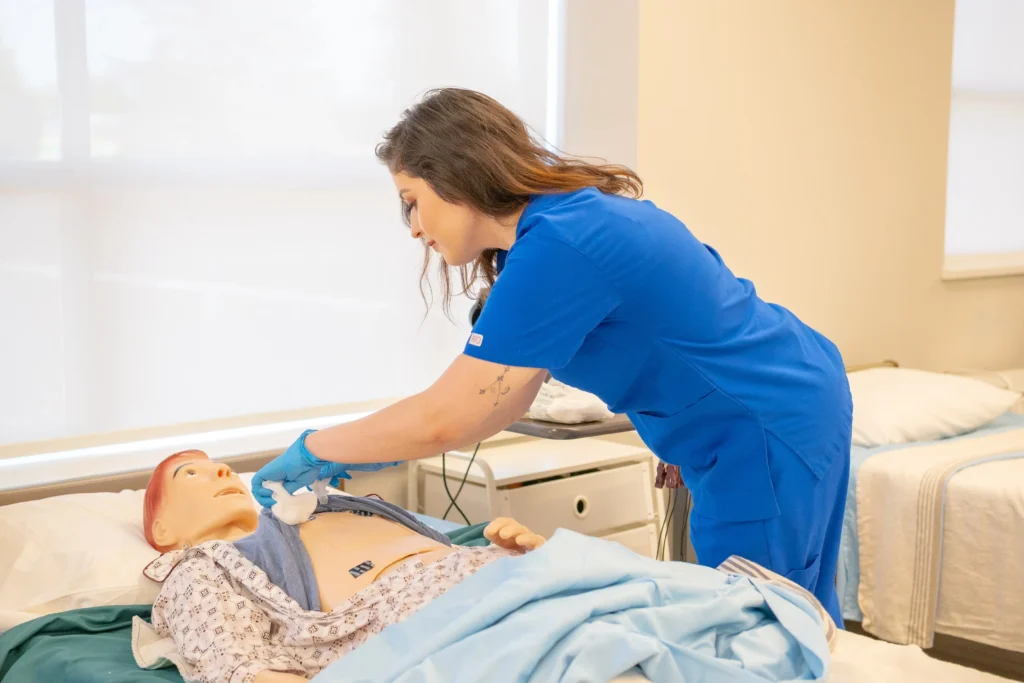
Nursing education provides nurses with simulated environments that replicate real-life scenarios. This allows them to gain the skills to make ethical decisions safely.
The Doctor of Nursing Practice (DNP) program, for instance, builds on these foundations through focused coursework. Wilkes University notes that the program’s curriculum includes ethical principles for advanced nursing practice, covering topics such as euthanasia, abortion, and informed consent.
Students consider ethical, moral, and legal obligations in decision-making scenarios. They develop practical strategies to resolve complex dilemmas using key theories and concepts.
The online Doctor of Nursing Practice program delivers this same content with greater flexibility. Working nurses can complete rigorous ethical training while staying in their clinical roles. Thus, nurses build confidence for real-world challenges and learn to weigh options carefully and communicate their reasoning clearly.
A study in 2025 examined 202 first-year nursing students in Spain. Following high-fidelity simulations including ethical dilemmas, 84.87% of students developed the professional values required to make competent decisions in these situations. Students also demonstrated improvements in expertise and mastery.
Recognizing Cultural Differences and Addressing Personal Biases
Every patient brings different experiences, beliefs, traditions, and expectations into healthcare settings. These differences can influence communication, treatment preferences, and healthcare decisions.
Nurses must recognize these differences without making unfair assumptions. They also need to understand how personal biases influence professional behavior. Nursing education helps students identify these patterns before they become harmful habits.
Nursing programs introduce students to cultural competence and its importance in patient-centered care. They learn that personal beliefs should never become the basis for judging patients.
Students also explore how cultural expectations can influence healthcare experiences. This helps them understand why patients might respond differently to similar medical situations.
Practical learning activities can include:
- Discussing healthcare practices across different cultural communities.
- Exploring case studies involving cultural or religious disagreements.
- Practicing respectful conversations about personal healthcare preferences.
- Identifying ways to make healthcare environments more inclusive.
Understanding professional ethics is essential for making responsible decisions in challenging situations. Explore these professional ethics topics for presentation to learn more about ethical principles, workplace responsibilities, and professional conduct.
FAQs
Why is ethical decision-making important in nursing?
Ethical decision-making helps nurses protect patient rights and maintain professional integrity. It guides nurses through situations involving conflicting responsibilities or limited resources. It also supports safe, compassionate, and fair patient care. These skills help nurses make responsible decisions under pressure.
How can nurses handle ethical disagreements with colleagues?
Nurses should communicate concerns respectfully and prioritize patient safety. They can review professional guidelines and discuss possible solutions. Seeking guidance from supervisors or ethics committees can help resolve disagreements. Maintaining professionalism ensures discussions remain constructive.
What is moral distress in nursing?
Moral distress occurs when nurses recognize the ethically appropriate action but cannot take it. Workplace restrictions, inadequate resources, or conflicting authority can contribute. It may affect emotional well-being and job satisfaction. Education helps nurses recognize moral distress and develop appropriate coping strategies.
Key Statistics
| Study / Area | Key Statistics | What It Shows |
| Simulation-based learning | 161 nursing students | Simulation combined with problem-based learning improved moral sensitivity, empathy, and critical thinking. |
| Patient consent for injections | 80.2% consented | Patients need clear explanations and sufficient time before agreeing to procedures. |
| Patient consent for vital signs checks | 75.8% consented | Even routine procedures require appropriate patient consent. |
| Patient consent for blood tests | 75.1% consented | Nurses must respect patients’ choices regarding diagnostic procedures. |
| Time for decision-making | 71.4% wanted more time | Patients need adequate time to understand treatments and make informed decisions. |
| Patient communication | 58.4% felt unable to ask questions | Nurses must encourage questions and create comfortable communication environments. |
| Ethical simulation training (2025) | 84.87% developed professional values | High-fidelity simulations can help students develop ethical decision-making skills. |
Ethical challenges are an unavoidable part of nursing practice. However, nurses do not have to face these situations without preparation. Quality nursing education provides the knowledge, practical experience, and professional guidance needed to make responsible decisions.
It teaches future nurses to respect patient autonomy, recognize cultural differences, and approach difficult situations thoughtfully. The stronger this foundation becomes, the better prepared nurses are to make difficult decisions while keeping well-being at the center of care.
