
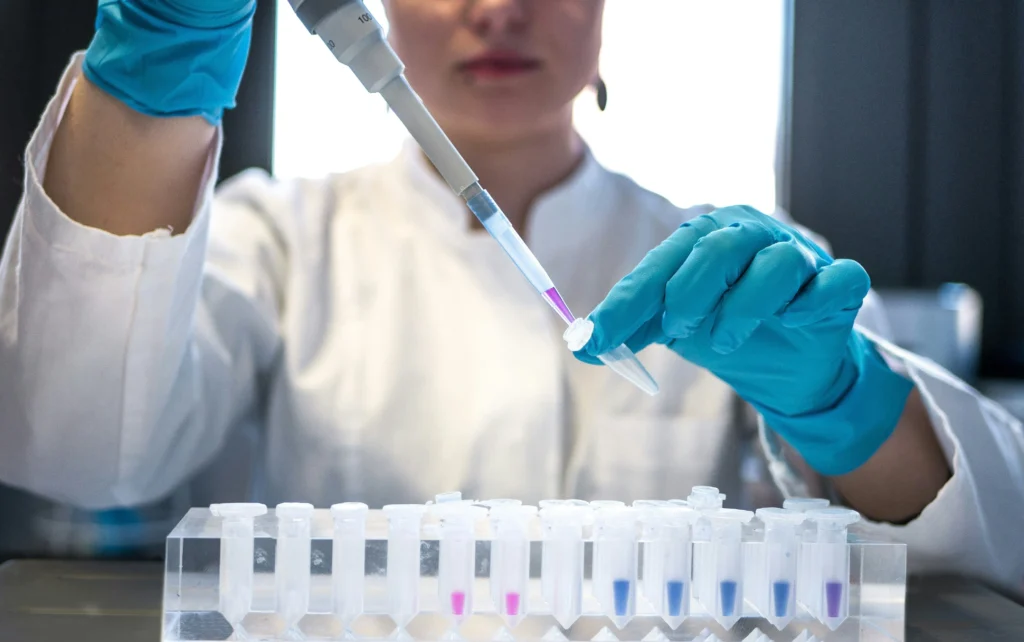
Science education begins with concepts that seem far removed from everyday experience. Students learn about cells, chemical reactions, human anatomy, microorganisms, and biological processes through textbooks, lectures, and laboratory exercises.
Although these subjects may initially appear theoretical, they form the foundation of many medical practices and healthcare technologies used today. Understanding how classroom science connects to real-world medical applications can make learning more meaningful.
It also helps students see how scientific knowledge supports disease prevention, diagnosis, treatment, and patient care. From understanding how medications work to interpreting laboratory results, many healthcare practices rely on principles introduced in school and college science courses.
Human Biology Helps Explain How the Body Functions
Table of Contents
Human biology introduces students to the structure and functions of different organs, tissues, and body systems. Lessons on the circulatory, respiratory, digestive, and nervous systems explain how different parts of the body work together to maintain normal function.
These concepts have direct applications in medical practice. Healthcare professionals use their understanding of human anatomy and physiology to recognize unusual symptoms, assess bodily functions, and identify potential health concerns.
For example, knowledge of the circulatory system helps explain why high blood pressure can affect the heart and blood vessels. A study by the American Heart Association states that it can even cause organ damage. Researchers developed an AI-based assessment framework called HyperScore, which measures hypertension-related damage across multiple organs. This includes the heart, brain, kidneys, lungs, liver, and blood vessels.
Students who understand these biological processes can also better appreciate how healthcare professionals evaluate patients. Learning about the respiratory system, for instance, provides context for understanding why doctors measure oxygen saturation in people experiencing respiratory difficulties.
Chemistry Explains How Medications Work
Chemistry plays an important role in modern medicine, particularly in understanding how medications interact with the human body. Classroom lessons about chemical compounds, molecular structures, acids, bases, and chemical reactions help explain how substances behave under different conditions.
“Medical education plays a critical role in translating scientific evidence into practical clinical action. Awareness alone does not change patient outcomes. Clinicians need to understand not only the data, but also how to apply it within the realities of day-to-day practice, says Emily Harrison, founder of an education firm.
Pharmaceutical science offers a practical example of this connection. The University of Findlay notes that students pursuing a PharmD degree can learn about physical pharmacy, pharmacy practice applications, advanced pharmacy practice experience, and more.
The PharmD degree curriculum is designed to help students thoroughly understand the relationship between chemistry and medications. Students can learn how chemical principles influence medication development, dosage, stability, and interactions. This knowledge helps explain why different medications produce different effects and why their use requires careful consideration.
These outcomes show how chemistry concepts extend beyond laboratory experiments and support safer medication practices.
Microbiology Explains Infection Prevention
Microbiology introduces students to microorganisms such as bacteria, viruses, fungi, and parasites. Lessons about microbial growth, reproduction, and transmission help explain how infections develop and spread.
These concepts are particularly relevant to infection prevention in healthcare settings. Medical facilities follow established hygiene and sanitation practices to reduce the transmission of harmful microorganisms.
Understanding microorganisms also helps explain how vaccines work. Vaccines prepare the immune system to recognize specific pathogens, reducing the risk of severe illness from certain infections.
According to the World Health Organization (WHO), vaccines protect people from infectious diseases by training the immune system to recognize and fight specific pathogens. They contain weakened or inactive parts of a pathogen, or genetic instructions that help the body produce specific antigens. This process encourages the body to produce antibodies and memory cells that recognize the pathogen and allow the immune system to respond faster.
Classroom discussions about bacteria, viruses, and immune responses provide the scientific background needed to understand these preventive measures.
Physics Supports Medical Imaging and Diagnostic Equipment
Physics may seem unrelated to healthcare at first, but several medical technologies depend on its principles. Concepts such as electricity, magnetism, radiation, sound waves, and pressure contribute to the development and operation of diagnostic equipment.
Medical imaging provides some of the clearest examples. X-ray machines use electromagnetic radiation to produce images of structures inside the body. Ultrasound equipment uses high-frequency sound waves to create images of organs and tissues. Magnetic resonance imaging (MRI) relies on strong magnetic fields and radio waves to generate detailed images of internal body structures.
Understanding basic physics helps students recognize why different imaging techniques suit different medical situations. It also explains why healthcare professionals follow specific safety procedures when using equipment involving radiation or strong magnetic fields.
A Springer Nature Link study highlights the importance of screening patients for implants, medical devices, and foreign objects before an MRI examination. Certain materials may interact with the scanner’s magnetic fields and cause injuries. The authors emphasize that healthcare facilities should conduct and document an individual risk-benefit assessment before every examination.
Mathematics Helps Healthcare Professionals Interpret Medical Data
Mathematics is another important part of medical practice. Healthcare professionals regularly work with measurements, percentages, ratios, graphs, and numerical data to evaluate patient information and make informed decisions.
For instance, doctors interpret blood pressure readings, body temperature, heart rates, and laboratory measurements to assess a person’s condition. Pharmacists and other qualified healthcare professionals also rely on mathematical calculations when evaluating medication quantities and dosage instructions.
Statistical literacy among medical students and practicing doctors is essential for interpreting numerical health information and applying it to clinical decisions. A study found that 95.5% of medical students correctly understood single-event probability and 83.2% understood relative risk reduction. But only 49.3% accurately interpreted positive predictive value and 49.2% understood five-year survival rates.
Therefore, statistics has an equally important role in medical research. Researchers use statistical methods to compare treatment outcomes, evaluate clinical trial results, and identify patterns in health data. Students who develop strong mathematical skills can better understand how numerical evidence supports healthcare decisions.
Students can also develop practical knowledge and creativity by working on projects related to their academic interests. Explore these project ideas for school students for inspiration and ways to apply classroom concepts through hands-on activities.
Frequently Asked Questions
How can students gain practical exposure to medical science outside the classroom?
Students can gain practical exposure through hospital visits, science exhibitions, educational workshops, healthcare volunteering, and interactions with medical professionals. Online simulations and virtual laboratory programs also provide opportunities to explore medical procedures and scientific applications. These experiences help learners understand professional environments and connect academic knowledge with real healthcare situations.
What role do medical simulations play in healthcare education?
Medical simulations allow students to practice clinical procedures and respond to realistic healthcare scenarios without putting actual patients at risk. They may involve mannequins, virtual reality environments, or computer-based training programs. These activities help learners develop clinical judgment, communication skills, teamwork, and confidence before entering supervised clinical settings.
Why is interdisciplinary education important in medical fields?
Medical challenges often require knowledge from several academic disciplines. Healthcare professionals may need to understand biology, chemistry, psychology, technology, and communication to address different aspects of patient care. Interdisciplinary education encourages students to connect ideas from multiple subjects, making it easier to understand complex health situations.
Key Statistics and Medical Application Facts
| Human Biology | Explains organ function; blood pressure affects the heart & vessels | HyperScore AI framework measures organ damage |
| Microbiology | Infection prevention and vaccine functionality | WHO vaccine guidelines |
| Physics | Powers diagnostic imaging and safety protocols | X-ray, Ultrasound, MRI screening |
| Mathematics & Statistics | Clinical decision-making & single-event probability literacy | 95.5% student comprehension rate |
| Mathematics & Statistics | Relative risk reduction comprehension literacy | 83.2% student comprehension rate |
| Mathematics & Statistics | Positive predictive value comprehension literacy | 49.3% student comprehension rate |
| Mathematics & Statistics | Five-year survival rate comprehension literacy | 49.2% student comprehension rate |
Classroom science concepts directly connect to many aspects of modern healthcare. Recognizing these connections gives students a clearer picture of how scientific knowledge is applied beyond textbooks and examinations.
It can also help them identify areas of interest as they explore future educational and professional opportunities. Ultimately, science education provides the foundation for understanding medical advancements and the many ways scientific discoveries improve healthcare.
