
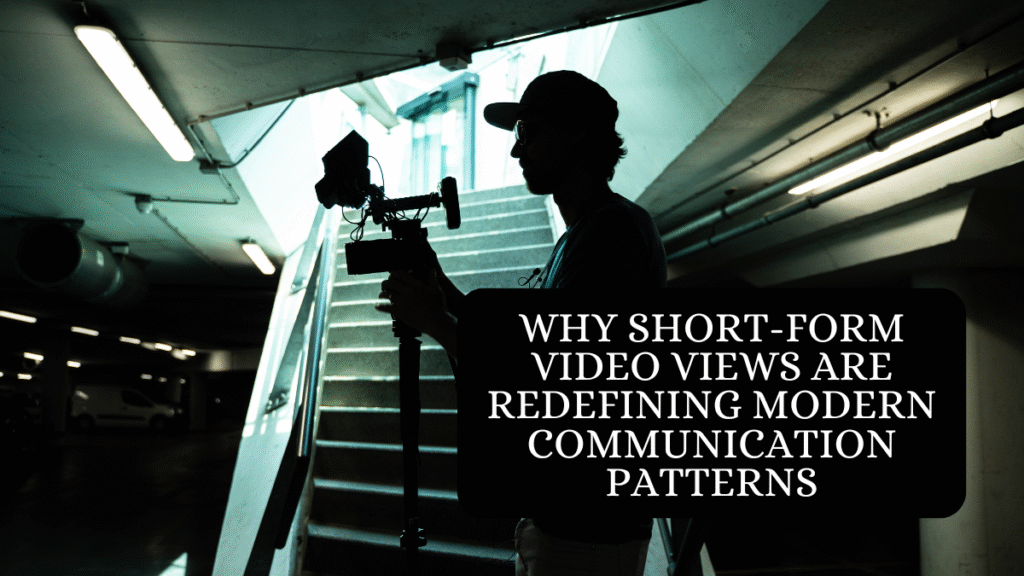
Communication has changed a lot with new technology. Few things have changed as fast and as much as short-form video. Now, people can give information, get a reaction, make you feel something, or just entertain in just a few seconds. This works even better than long text. Today, views matter most in this new world because they show how stories get shared and how people see things.
For news and culture websites like southslopenews.com, this change is not about leaving out strong, important stories. It is about seeing that the way people pay attention has changed. Short videos are now the first way many people find out about ideas, stories, and points of view.
How Short-Form Video Became the Default Language of Attention
Table of Contents
Short-form video performs well because it fits how people now absorb information. Attention moves fast. Visual cues matter more than long explanations, and emotion plays a big role in what people choose to watch. Instead of reading line by line, audiences scan, swipe, and stop only when something feels right. View counts often reflect how well a piece of content aligns with this behavior.
As creators experiment with distribution support, including using a TikTok views automation tool to better understand how videos circulate, the real shift becomes clear in how video delivers meaning. A single short clip can communicate context, tone, and emotion all at once, making it easier to process with minimal effort.
This approach has pushed short-form video into the mainstream. By relying less on words and more on visual storytelling, these clips move easily across languages and cultures, allowing people everywhere to connect, share, and engage without friction.
Views as a Measure of Communication Effectiveness
In old media, people guessed how many saw something. Now with short-form video, numbers show up right away. The count of views tells us if people got the message or not. These views don’t just show how many saw it but also how much it matters to people right now.
Views are not the same as likes or comments. They are the first thing that shows if people want to stop and watch. A lot of people making this choice again and again can change how news and messages move.
When a post gets many views fast, it can change what people talk about and catch attention before longer posts have time to reply.
Why Visual-First Content Changes How Messages Are Understood
Pictures do not just make messages look nice. They change how we feel about what we see. A smile, how fast things happen, music, and how you show a scene can change the way people take in what you say. When you have these things working together in short videos, you can share a lot of meaning fast. You do not always need a long story to get your point across.
When people read news, trends, or commentary, visuals help them feel more than text can. Visuals do not just make things simple; they help you get the idea more quickly. When you understand faster, you join in faster too. This means more people watch and views go up.
The Role of Algorithms in Amplifying Visual Communication
Algorithms work behind the scenes in today’s communication. They choose what messages most people see by looking at how viewers interact early on. Short-form video fits well with this because people react to the content right away.
Algorithms prioritise:
- Watch time and how many people finish.
- People are watching again and seeing it more than once
- How fast people watch at first
These signals reward content that is clear and fast to read. So, many creators now change how they tell stories to put pictures and video first. This helps short videos grow in popularity even more.
Short-Form Views and the Shift in News Consumption
People now often see news in short videos before they find out the full story. A headline video is what people look at first. It is not the whole story. The number of views these videos get shows which stories people will keep talking about and which stories will go away without much notice.
This change does not get rid of long-form journalism. It looks at it in a new way. A short video can give people a quick look at a topic that is worth more talk. Websites like southslopenews.com do well when pictures or clips make people interested instead of taking the place of real stories.
Why Speed Matters More Than Polish
In the short-form world, speed often wins over getting everything right. People like quick and real content more than perfect-looking videos. This changes the way people make and share their messages.
Good short-form writing often puts these things first:
- People should know what it is about in the first few seconds.
- Speak in a way that feels real and easy.
- Use signs and hints to help people focus.
When the content is fresh and feels made by real people, more folks will watch all the way to the end. This can help boost both view counts and how far the video gets shared.
Cultural Impact of View-Driven Communication
When people watch something, it helps decide how much others see it. It also shapes how people think about culture. Topics that get lots of views very fast can change what people talk about in just a few hours. This can start trends more quickly, and new ideas do not last as long.
At the same time, it makes talking to people open to joining in. A person or a small publisher can reach a lot of people. There do not have to be old-style gatekeepers. But their content has to stick with people who see it. It also needs to look good.
This shift not only changes who talks but also changes how messages are put together to be noticed.
Challenges of a View-Centric Communication Model
Learning a lot of views can be risky. When you go fast, you may make things too simple. A strong feeling or story can also hide small but important details. People who share ideas need to keep things clear, but also make sure they give all the right facts.
Two key challenges include:
- Making hard topics too simple so people can read them fast
- Putting getting noticed before being right
The people who make content know that views are just the beginning. Views do not show the full impact of what they do.
The Future of Communication Is Visually Layered
Short videos are not taking the place of other types of content. They are changing how people use them. These quick videos help people find other things to see. Views on these videos often lead people to get more involved on other sites.
As the way people talk keeps changing, how we read images is now as important as reading words clearly. People need to know how pictures show meaning, especially if they want to shape what people talk about in public.
In the end, people connect with content almost instantly. Emotions form in the moment, and short-form video has become a central part of how we communicate, shaping both how messages spread and who audiences choose to listen to. Some creators turn to a TikTok views automation tool early on to help their content reach more screens and gain initial visibility. Still, lasting impact comes from intention. When visuals and videos are used thoughtfully, with a clear message behind them, the content feels meaningful. That sense of purpose is what helps a message stand out, resonate, and remain relevant over time.
Also Read: Agile Software Development Made Easy with Agile Tools